
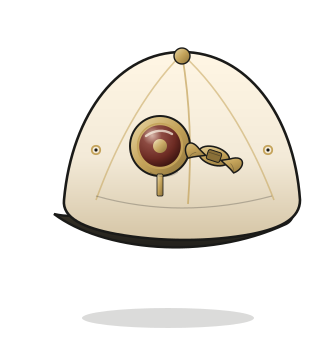
A hat pin at Orlando Pin Company is still enamel. The needle is the same. The clutch is the same. The cloth is a cap. That is the whole difference, and it is enough to change how you wear it, how you hold it, and how it survives a week in this city.
People say hat pin and picture a long Victorian stem. Here the picture is shorter: a pin on a baseball cap, a bucket hat, a running cap, sometimes a bag that rides like a hat through the day. Front of the drawing is the enamel. Back of the drawing is the clutch: wings and a barrel on the post, not a second copy of the face.
Crown, not brim
Push the needle through the crown fabric. Get this a hat pin if the brim is the cloth. Get this rubber backs if metal wings already chewed a sweatband. The brim of a baseball cap is too dense; you will bend the post before you pierce it, and the face will sit at a bad angle even if you make the hole. Pinch a panel, go through the outer cloth, and angle the post slightly so the enamel sits flat instead of tipping toward the visor.
A beanie is easier. Knit opens for the post. A bucket hat takes the pin in the crown, not along a floppy brim that will sag under the metal. One pin on the front panel reads as a mark. Three on a side panel reads as a collection starting, which is fine, as long as enamel does not grind on enamel when you take the cap off.
The clutch on a cap
Butterfly wings are the classic lapel back. On a cap they catch. They catch a sweatband. They catch hair. They catch the fold when you stuff the hat in a bag on International Drive. A rubber clutch is kinder: a small disc that grips the post by friction, no wings to snag. Rubber stretches with heat and use. If a pin starts wandering after a humid Orlando afternoon, the rubber is often the reason. Seat a fresh one, or move to a locking clutch.
Locking clutches take a deliberate pull. Use them when the cap is going on a shuttle, a park week, a bag that swings. Losing a pin into a storm drain is a real Orlando trick. The hardware is small. The week is long.
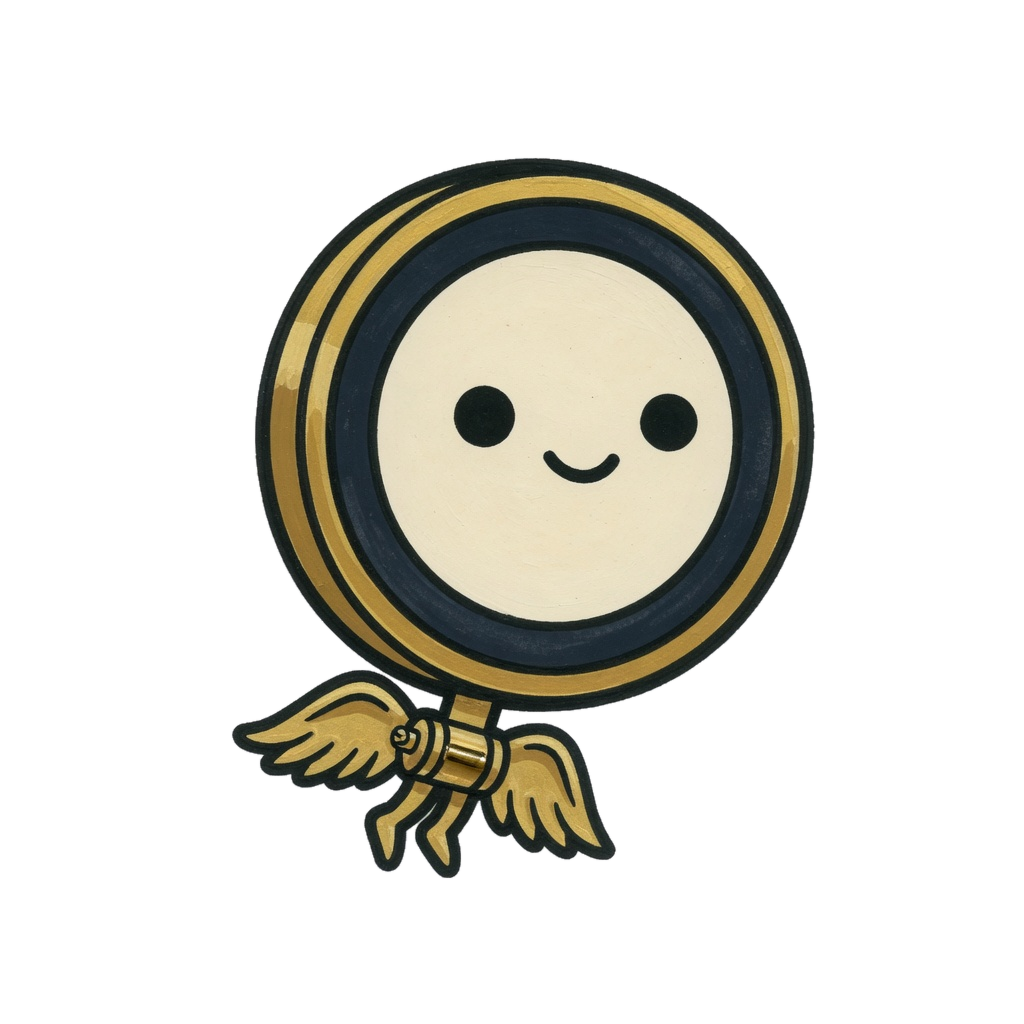
The clutch in the header is that back: a butterfly, drawn as hardware. It is not the catalog. The catalog drawing for this family is the cap.
Heat, hats, and this city
Orlando puts a cap through weather a lapel never sees. Morning AC in a hotel. The walk to the car. I-4 glare. Afternoon rain that is over before you find a doorway. A pin on a cap lives in sweat and sun. Hard enamel’s polished face wipes clean. Soft enamel’s recessed color can hold a little dust in the line; a soft cloth clears it.
Downtown by the lake is an evening cap, if it is a cap at all, more often a jacket. International Drive means an all-day visor and a bag. A park week on the west side is the cap that never comes off until the hotel. Same pin. Different cloth, different clutch choice.
A bag is cousin to a hat
A tote, a backpack, a camera strap. The pin will get knocked. Use a locking clutch. Pierce a seam or a thicker panel if you can. A bag pin is listed with the hat family because the cloth is the subject, not because a bag is a hat. If you want the face on a cap, say hat. If you want it on a bag, say bag. The drawing on the drawing shows the cap, with the needle through and the clutch behind.
From a drawing
Bring a line meant to live on a cap. Keep the cells simple: a visor throws shadow; a busy field gets lost at arm’s length. Hard enamel catches window light on the front panel. Soft enamel throws a little ridge you can feel in the heat. Name hat if that is the family.
Read how an enamel pin is made for the surface. Read how to take a pin home for the trip. A starter board is where a cap pin lives once you are done wearing it through the week. Extra rubber clutches and the cork or felt wall are on starter-board kits. Write sales@tabaconda.com. Publisher: Orlando Pin Company and Tabaconda LLC.